Washer & Dryer Repair in Norwood, MA
Appliance Repair for Homes & Businesses in Norwood, Westwood, Massachusetts and Nearby Areas
Washer and Dryer Repair in Norwood, Massachusetts, Appliance Repair Pros
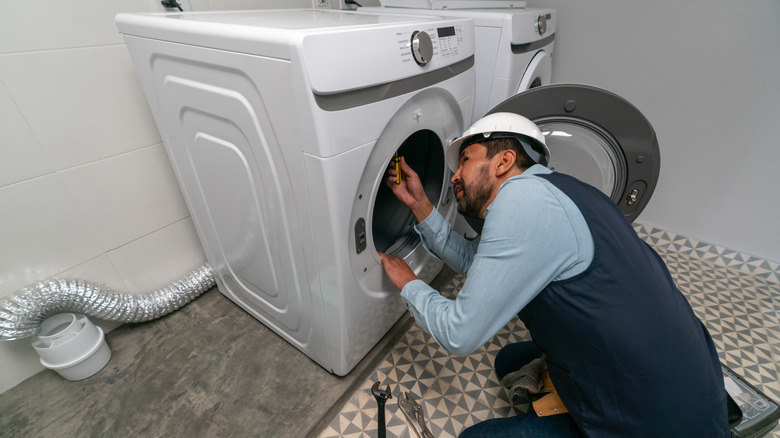
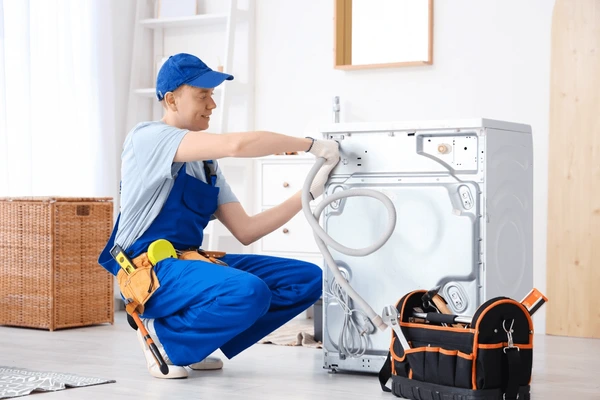
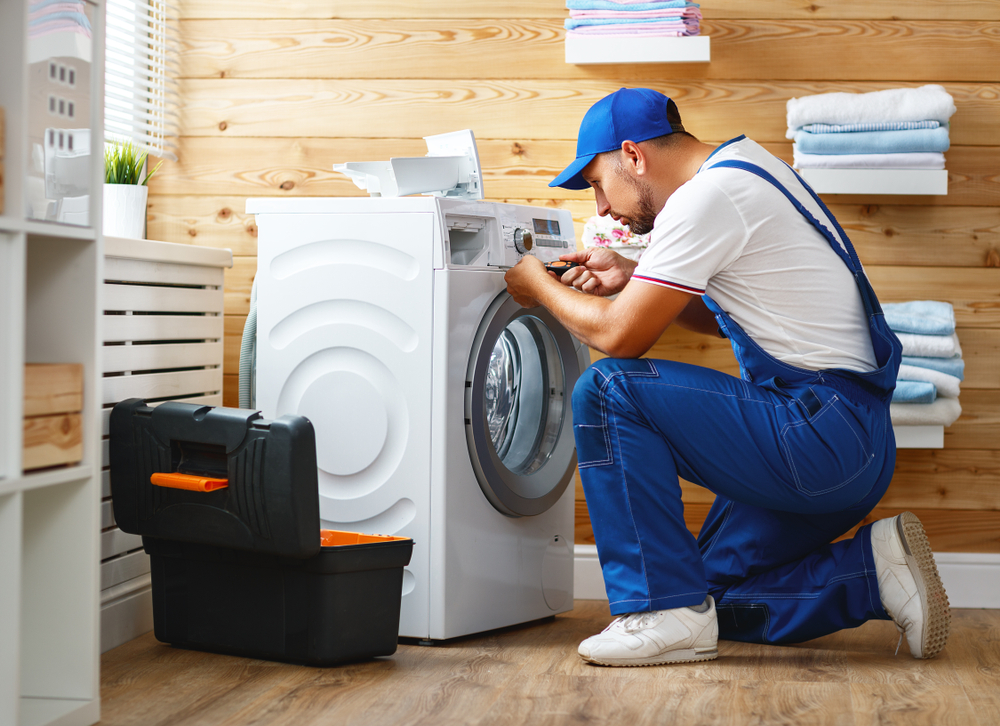
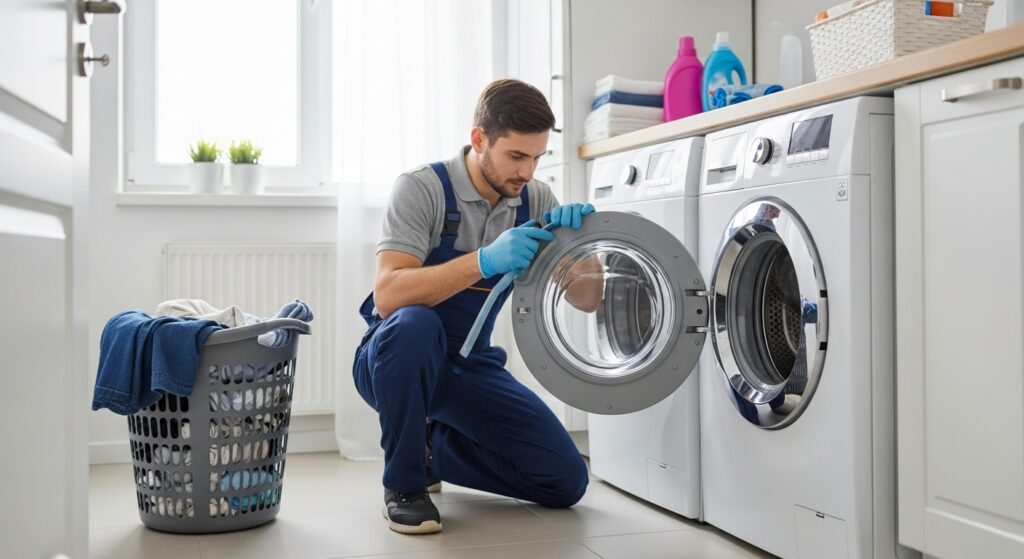
Laundry is a never-ending task for any household, and when your washer or dryer fails, the backlog of dirty clothes becomes an immediate problem. Appliance Repair Pros provides specialized washer and dryer repair in Norwood, Westwood, and the surrounding towns including Walpole, Canton, and Dedham. We help homeowners who are dealing with washing machines that won’t spin, dryers that run but won’t heat, or units that make alarming banging noises. Whether you have a laundry closet in a condo near the Norwood Central station or a dedicated laundry room in a colonial home off Washington Street, we understand the logistical challenges of repairing these heavy appliances in tight spaces. Our technicians bring a practical, safety-first approach to every job, ensuring that water lines are secure and dryer vents are safe. We focus on accurate diagnostics to distinguish between simple part failures and major system issues. Reach out to us for assistance when your laundry routine is interrupted by a broken machine.
Washer and Dryer Repair Services in Norwood
Modern laundry appliances have evolved from simple mechanical devices to complex machines with advanced sensors and eco-friendly cycles. We service the full range of laundry equipment, from traditional top-loading agitator washers to high-efficiency front loaders and steam dryers. Our goal is to extend the life of your appliances and ensure they are cleaning and drying your clothes efficiently.
Laundry systems we work on
- Top-loading washing machines with agitators
- High-efficiency (HE) top loaders without agitators
- Front-loading washing machines
- Stackable washer and dryer units
- Gas dryers (natural gas and propane)
- Electric dryers (240V)
- Compact and apartment-sized laundry centers
- Ventless and condensing dryers
What makes washer and dryer repair tricky
- Heavy drum weights requiring specialized handling
- High-speed spin balances (up to 1200 RPM)
- Complex suspension systems and shock absorbers
- Gas line safety and ignition systems
- 240-volt electrical circuits for electric dryers
- Hidden electronic control boards vulnerable to vibration
- Water leakage risks affecting floors and ceilings
Common Washer and Dryer Problems We Fix
Washer will not drain
Opening the lid to find your clothes floating in a pool of gray water is one of the most common laundry failures. It prevents the cycle from finishing and leaves you with heavy, soaking wet clothes that cannot be moved to the dryer.
Likely causes
- clogged drain pump filter (coins, socks, lint)
- broken drain pump impeller
- obstructed drain hose
- failed lid switch preventing the drain cycle
- worn drive belt
- electronic control board failure
How we diagnose it
We listen to the pump motor to see if it is humming (jammed) or silent (dead). We manually inspect the drain path for blockages and test the voltage reaching the pump during the drain cycle.
What you can do right now
If you have a front loader, check the small access door at the bottom front. There is often a cleanout filter there. Have a shallow pan ready to catch water before you open it.
Dryer is not heating
A dryer that tumbles but blows cold air is useless. You might run the cycle three times and still have damp clothes. This wastes energy and puts unnecessary wear on your clothing fibers.
Likely causes
- burned out heating element (electric)
- failed gas valve coils (gas)
- tripped thermal fuse due to overheating
- broken igniter
- clogged vent restricting airflow
- bad timer or cycling thermostat
How we diagnose it
We test the continuity of the heating element and the safety fuses. On gas units, we observe the ignition sequence to see if the glow bar heats up and if the gas valve snaps open.
What you can do right now
Check the external vent hood outside your house. If you don’t feel a strong stream of warm air coming out while the dryer is running, your vent is likely clogged.
Washer is leaking water
Puddles on the floor are a major risk to your home, especially for second-floor laundry rooms. Leaks can start small and suddenly burst, causing significant water damage to the ceiling below.
Likely causes
- cracked or loose water supply hoses
- torn door boot seal (front loaders)
- failed drain pump seal
- tub-to-pump hose leak
- overfilling due to pressure switch failure
How we diagnose it
We remove the front or rear panels and run a test cycle to visually trace the leak source. We check the internal hose clamps and the condition of the door gasket.
What you can do right now
Turn off the water supply valves behind the washer immediately. Dry the floor to prevent slipping. Do not run the machine until it is repaired.
Dryer is making loud noises
Thumping, squealing, or grinding noises are not normal. These sounds indicate that a moving part is wearing out. Ignoring them often leads to the drum seizing up completely.
Likely causes
- worn out drum support rollers
- frayed or cracked drive belt
- broken idler pulley
- worn drum glides or bearings
- foreign object stuck in the blower wheel
How we diagnose it
We identify the type of sound (squeak vs. thump) to narrow down the part. We disassemble the cabinet to inspect the condition of the rollers and the belt tensioner.
What you can do right now
Check the inside of the drum for loose change or zippers catching on the baffles. If the noise is mechanical, stop using the unit to prevent metal-on-metal damage.
Washer will not spin or agitate
If the washer fills and drains but the drum never moves, your clothes won’t get clean. In top loaders, the agitator might not move; in front loaders, the drum might refuse to enter high-speed spin.
Likely causes
- stripped agitator dogs (plastic gears)
- broken motor coupler
- failed lid switch or door lock
- worn clutch assembly
- unbalanced load sensor triggering a stop
How we diagnose it
We test the lid switch first, as this is a safety interlock. We then inspect the mechanical coupling between the motor and the transmission or drum.
What you can do right now
Redistribute the clothes. If a heavy blanket is on one side, the machine may stop spinning for safety. Ensure the load is balanced.
Washer smells like mildew
A foul smell coming from your clean laundry usually means mold is growing inside the washer. This is particularly common in front-loading units that seal tightly when closed.
Likely causes
- mold growth behind the door boot seal
- soap scum buildup in the outer tub
- clogged drain pump filter retaining dirty water
- using too much detergent (excess suds)
How we diagnose it
We inspect the folds of the rubber door gasket for black mold. We check the drain pump for standing water that isn’t being fully evacuated.
What you can do right now
Leave the washer door open between cycles to let it dry out. Run a “Clean Washer” cycle with bleach or a specialized washing machine cleaner.
Dryer takes too long to dry
If your clothes are hot but damp after a 60-minute cycle, airflow is usually the culprit. The dryer cannot remove moisture if the moist air cannot escape the drum.
Likely causes
- clogged dryer vent ducting (in the wall)
- crushed flexible transition hose
- lint buildup on the blower wheel
- moisture sensor failure (short cycling)
How we diagnose it
We measure the temperature of the exhaust air and the airflow velocity. We often find the issue is not the machine itself but the venting system leading out of the house.
What you can do right now
Clean your lint trap before every single load. Check the hose behind the dryer to make sure it isn’t crushed against the wall.
Washer is shaking violently
A washer that “walks” across the room or bangs against the wall is dangerous. It can pull hoses loose and damage your floor. This is often a suspension issue.
Likely causes
- broken suspension rods or springs
- failed shock absorbers (front loaders)
- leveling legs not adjusted properly
- shipping bolts left in (on new installations)
How we diagnose it
We press down on the tub to test the recoil of the suspension. We check the level of the machine front-to-back and side-to-side.
What you can do right now
Try to rock the machine with your hands. If it wobbles, adjust the front feet until it is solid on the floor.
Safety Notes for Washer and Dryer Issues
Washer and dryer repairs involve three major household hazards: water, electricity, and fire. Because these appliances run unattended, safety failures can be catastrophic. If you observe any of the following, please stop using the appliance and take action.
- If you smell a burning odor from the dryer: This suggests lint is scorching inside the heater housing or a motor is overheating. Lint fires are a leading cause of house fires. Stop the dryer and unplug it. Do not open the door immediately if you suspect a fire inside.
- If you see active water leaking: Turn off the water supply valves on the wall behind the washer. If you cannot reach them or they are seized, turn off the main water shutoff for the house. Water spreads fast and can cause thousands of dollars in damage to flooring and drywall.
- If the gas dryer smells like rotten eggs: This is a gas leak. Leave the laundry room and the house immediately. Do not flip any light switches. Call the gas utility from outside.
- If the washer shocks you: If you feel a tingle when touching the metal cabinet, the machine is not grounded properly or has an internal short. Unplug it if it is safe to do so, or flip the breaker.
Brands We Service for Washer and Dryer Repair in Norwood
We service the vast majority of laundry brands found in American homes. From the classic reliable top loaders to the modern app-controlled front loaders, we have the schematics and parts knowledge for each family of machines.
Whirlpool family and similar designs (Whirlpool, Maytag, KitchenAid, Amana)
These are the most common units in the area. The older “direct drive” top loaders are legendary for their durability, while the newer “VMAX” style top loaders have different failure points. We are experts at replacing the lid locks and shift actuators on these newer vertical modular washers.
Common issues we see with these models
- lid lock clicking but not engaging
- “F7 E1” speed sensor errors
- agitator dogs wearing out (top half not spinning)
- shift actuator failure preventing spin
We carry the specific shift actuators and cam kits needed to fix these common spin issues on the first visit.
GE family (GE, Hotpoint, and related lines)
GE washers and dryers are robust but have unique designs. The “Hydrowave” washers use a specific inverter board and motor system. We often see issues with the dryer knobs cracking and the front bearing glides wearing out, causing noise.
Common issues we see with these models
- inverter board failure causing motor to stop
- cracked plastic timer knobs
- front bearing glides wearing through
- noisy idler pulleys
We know how to decipher the binary error codes hidden on the motor inverters of GE top loaders.
Samsung and LG
These brands dominate the front-load market. They are technically advanced but prone to specific failures. LG front loaders often have drain pump failures, while Samsung dryers frequently suffer from idler pulley meltdowns and cracked drum rollers.
Common issues we see with these models
- drain pump not removing water (OE / 5E codes)
- heating element coil breaks
- idler pulley wheel melting
- door boot seal leaks
We stock the upgraded “heavy duty” idler pulleys and heating element assemblies for Samsung dryers to prevent repeat failures.
Speed Queen
Speed Queen is known for commercial-grade durability. When they do break, it is usually a belt or a simple switch. These machines are built to be repaired, and we enjoy working on them because they are designed with serviceability in mind.
Common issues we see with these models
- drive belt wear
- water level pressure switch issues
- timer motor failure
We respect the heavy-duty nature of these machines and use only OEM parts to maintain their longevity.
Electrolux and Frigidaire
These units are often found in stacking configurations in closets. They are known for lint buildup issues in the dryer air duct and door latch failures on the washers. We are experienced in unstacking these units safely to perform repairs.
Common issues we see with these models
- dryer lint trap housing cracking
- washer door latch breaking
- bellows (door boot) tearing
We pay special attention to the blower housings on these dryers, as they tend to collect lint more aggressively than other brands.
Understanding Common Washer and Dryer Error Codes
Digital displays are great for telling you something is wrong, but the codes can be cryptic. Here is what the most common laundry codes typically mean.
- F01 / E01: Main control board failure. The brain of the machine is glitching.
- LD / 5E / OE: Long Drain. The washer is taking too long to empty water, usually a pump clog.
- LF / 4E / IE: Long Fill. The washer isn’t getting water fast enough. Check your faucets.
- uL / UE / Ub: Unbalanced Load. The washer can’t spin because the clothes are clumped.
- F7 E1: Speed sensor error (Whirlpool). The washer doesn’t know how fast the basket is spinning.
- dL / dE / F5: Door Lock error. The computer cannot confirm the door is latched safely.
- HE / tE: Heating error (Dryer). The sensor isn’t detecting a temperature rise.
- PF: Power Failure. The cycle was interrupted by a power outage.
Maintenance Tips for Washer and Dryer Owners in Norwood
Preventative maintenance is the best way to avoid a service call. Given the humid summers and cold winters in Norfolk County, your laundry appliances face changing environmental conditions that affect their performance.
Clean your dryer vent annually. This is the single most important safety tip. A clogged vent causes the dryer to overheat, blowing thermal fuses and creating a fire hazard. In older Norwood homes, vents often have long runs through walls or crawlspaces, making them prone to lint accumulation.
Replace rubber hoses every 5 years. Standard rubber washer hoses can become brittle and burst. We recommend upgrading to stainless steel braided hoses, which are much more resistant to bursting. This is a small investment that protects your home from flooding.
Level your machines. If your washer rocks, it bangs the internal tub against the cabinet. Use a bubble level and adjust the feet. This is especially important in second-floor laundry setups where vibration transfers through the floor joists.
Use HE detergent correctly. High Efficiency (HE) washers need very little soap. Using too much creates excess suds that confuse the sensors and leave residue that feeds mold growth. Two tablespoons is often enough for a normal load.
Leave the washer door ajar. After you finish laundry, leave the washer lid or door open to let the moisture evaporate. This prevents the “gym bag” smell that develops in sealed, damp environments.
Check pockets before washing. Coins, screws, and nails are the enemies of drain pumps. A single penny can slip past the seal and jam the impeller, stopping the drain cycle instantly.
Service Area for Washer and Dryer Repair in and Around Norwood, Massachusetts
We provide local service focused on Norwood and the neighboring communities. We understand the mix of housing stock here, from the condo complexes near Route 1 to the single-family homes in the quieter residential neighborhoods. We aim to be the local service team you trust with your home access and your appliances.
Nearby areas we serve:
- Norwood
- Westwood
- Walpole
- Canton
- Dedham
- Sharon
- Medfield
- Islington
Zip codes we serve: 02062, 02090
Frequently Asked Questions
Is it worth repairing a 12 year old dryer?
Dryers are simple machines and are almost always worth repairing. A new heating element or a set of rollers is a fraction of the cost of a new unit. Unless the motor is dead or the drum is rusted through, we can usually extend the life of a dryer significantly.
Why is my washer tearing small holes in my clothes?
This is usually caused by a rough spot on the drum or agitator, or by a gap between the drum and the seal where fabric gets pinched. It can also happen if the agitation is too aggressive due to a control issue. We can feel the drum for burrs or damage.
Do you clean dryer vents?
We repair the dryer appliance itself. While we clean the internal ducts of the machine, we do not clean the long vent pipes that run through your walls or roof. We can recommend a specialized vent cleaning service if we determine that airflow is your primary problem.
Why does my front load washer smell so bad?
The smell is likely mold growing on soap residue behind the rubber door boot. We can sometimes clean this, but often the rubber gasket needs to be replaced if the mold has penetrated the material. Using less soap and leaving the door open helps prevent this.
Do you fix stackable units in closets?
Yes, we service stackable laundry centers. However, please note that these repairs often take longer because one technician may need to move the entire heavy unit out of a tight closet to access the back panel.
What is the difference between a gas and electric dryer repair?
Gas dryers use an igniter, gas valve coils, and a flame sensor. Electric dryers use high-voltage heating coils. We are trained to work on both safely. Please let us know which type you have when you reach out so we can bring the right parts.
My washer shakes the whole house. Is this normal?
No. While high-speed spins cause some vibration, violent shaking usually means the suspension rods are worn out or the load is unbalanced. In older wood-frame homes, this vibration can feel worse, but the machine should be stable.
Can I use a “universal” part I found online?
We strongly advise against it. Universal parts often don’t fit perfectly or lack the durability of OEM (Original Equipment Manufacturer) parts. We use parts specified by the manufacturer to ensure the repair lasts.
Why is my dryer getting hot but not drying?
This is the classic sign of a clogged vent. The heat is being produced, but the moisture-laden air cannot escape. The safety thermostat may be cycling the heat on and off to prevent a fire. The vent needs to be checked immediately.
Do you repair commercial coin-op laundry machines?
We focus on residential equipment used in homes. We generally do not service commercial coin-operated laundry mats, but we do service residential-style machines found in apartment building basements if they are non-coin accessible.
Conclusion
Appliance Repair Pros is committed to keeping the laundry rooms of Norwood and Westwood operational. We know that a broken washer or dryer creates an immediate bottleneck in your household chores. Our technicians are trained to handle the heavy lifting, the gas safety checks, and the electronic diagnostics required to fix modern laundry machines. Whether you have a leaking washer or a squeaky dryer, we have the expertise to solve the problem. Reach out to us for assistance with your laundry appliance repair needs.